


There is much talk about endocrine disruptors, but what exactly is an endocrine disruptor?
An endocrine disruptor is a substance capable of interfering with our hormonal system by inducing a harmful effect on health.
Critical periods of development where hormonal regulation is particularly important (during fetal development, early childhood, puberty or adolescence, pregnancy), exposure to endocrine disruptors can be concerning.
A multitude of substances can be endocrine disruptors, but certain pesticides and plastic components have been found to be endocrine disruptors, such as bisphenol A for example, which is now banned in baby bottles and food containers. A national program to identify endocrine disruptors is underway to regulate them.
Are essential oils suspected of being endocrine disruptors?
In the media, a scientific study has been reported multiple times, where American researchers demonstrated an endocrine disruption after applying cosmetic products containing lavender and tea tree essential oils. Notably, 60 Million Consumers relayed this study, raising fears and mistrust among consumers regarding these essential oils without any real basis!
Since its publication, this study has been cited hundreds of times as a reference for the estrogenic or endocrine-disrupting activity of lavender or tea tree essential oils without additional data.
This study has been criticized by many authors on several points and other studies have shown that these essential oils do not disrupt the endocrine system. The SCCS, the Scientific Committee on Consumer Safety of the European Commission, discredited this study itself.
Some authors attribute the endocrine effect noted in the American study to phthalates contained in plastics or pesticides that may have contributed to the effect.
And what about Neobulle products?
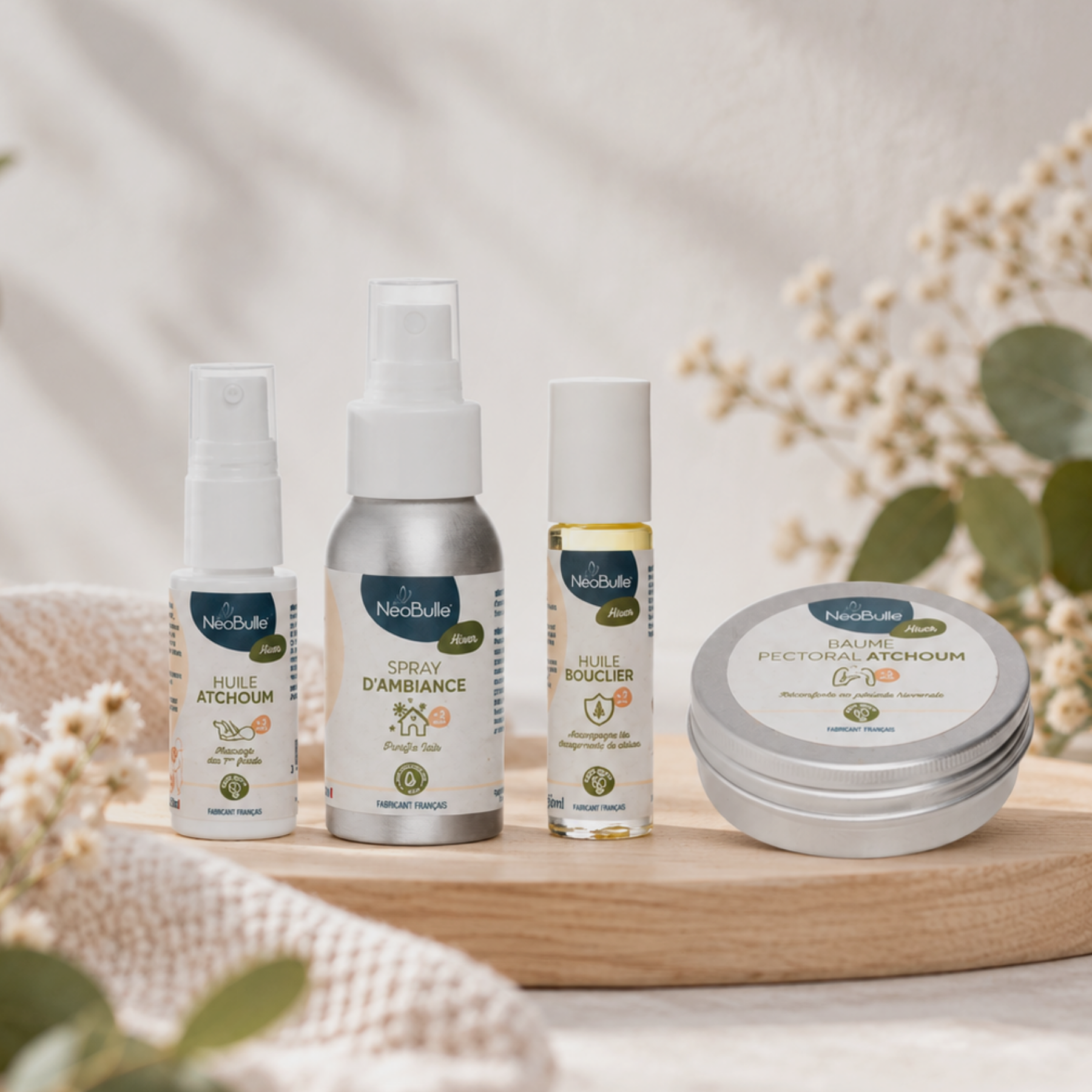
At Neobulle, we pay close attention both in the choice of ingredients and in our packaging choices. We select high-quality and organic essential oils. Our certification body, Bureau Veritas, regularly conducts tests on our finished products to check for the absence of pesticides. We choose packaging free of phthalates for plastics or made of glass with good chemical resistance.
We remain very attentive to the evolution of techniques and scientific research in this field.