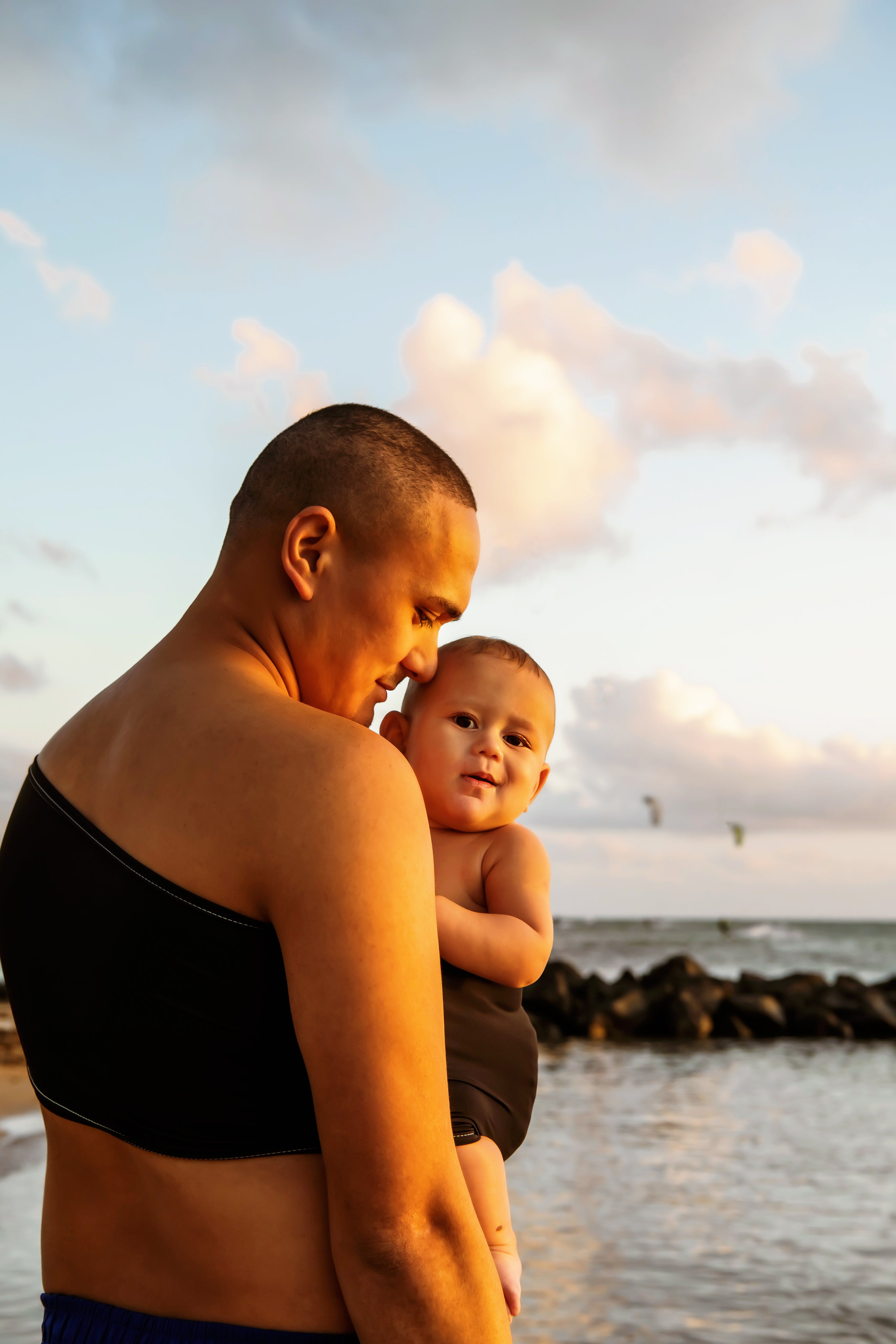
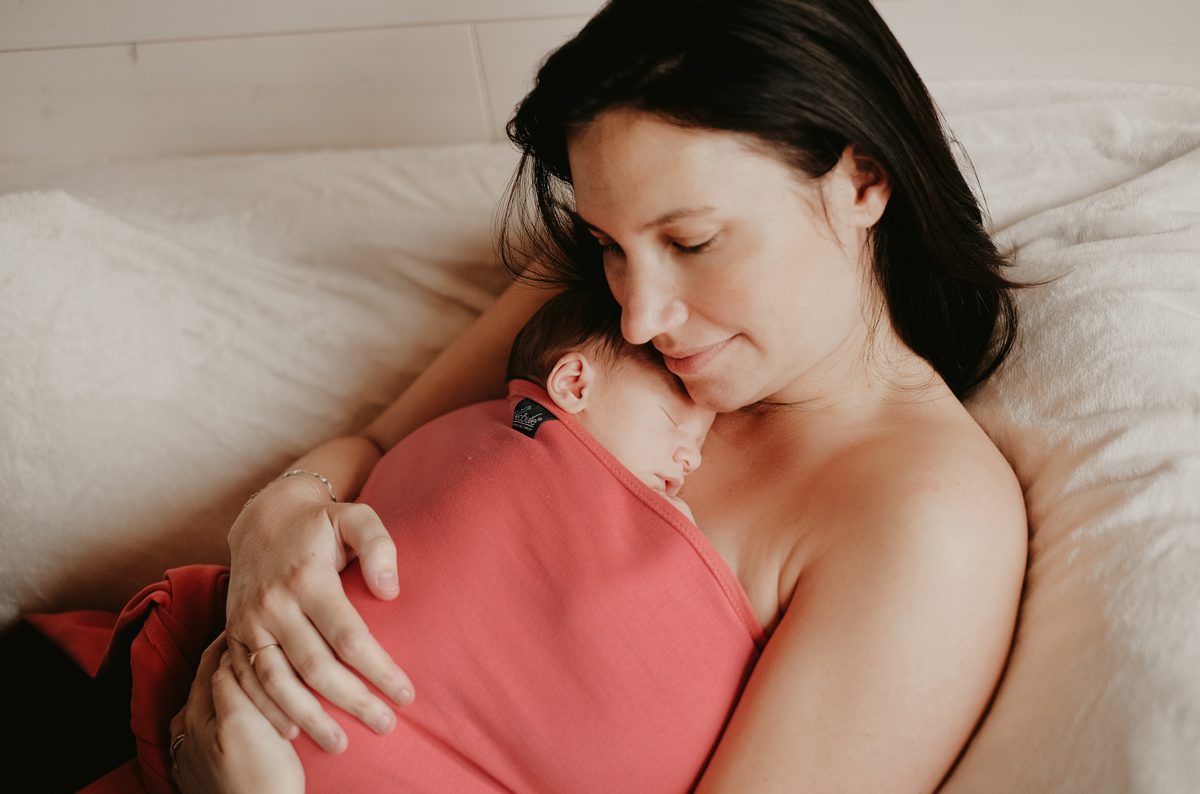
It has long been a tradition to wrap the baby in a cloth before handing it to the mother after birth. But this trend is giving way to skin-to-skin contact. The practice involves placing the baby, nude or in a diaper, directly against the mother’s chest. It is not uncommon for skin-to-skin contact to be offered to the father when the mother is unable to do it herself.
It is also called the Kangaroo method.
So, is it a passing trend or a recommended practice? And why practice skin-to-skin contact?
How is "nurturing" skin-to-skin contact?
It was in Colombia, 40 years ago, that Dr. Edgar Rey Sanabria imagined warming premature babies by placing them, undressed, against the bare chest of their parents. The practice has existed for a long time. However, it has only recently been adopted by French maternity wards.
How to practice skin-to-skin contact?
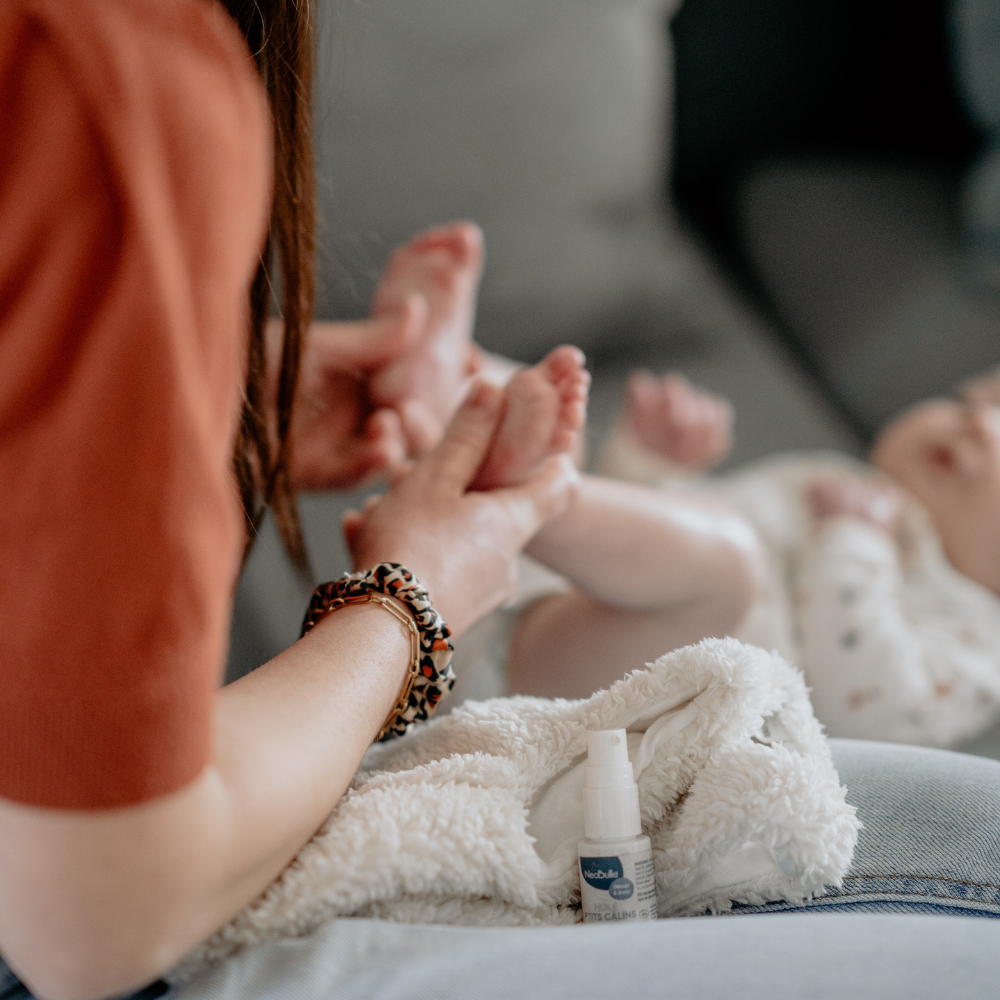
Baby must, of course, be undressed initially. Usually, their diaper is left on. Their chest is placed on the parent’s chest, who has previously undressed their torso. Their head must be free to breathe comfortably.
They are generally covered with a sheet and a blanket so they don’t get cold.
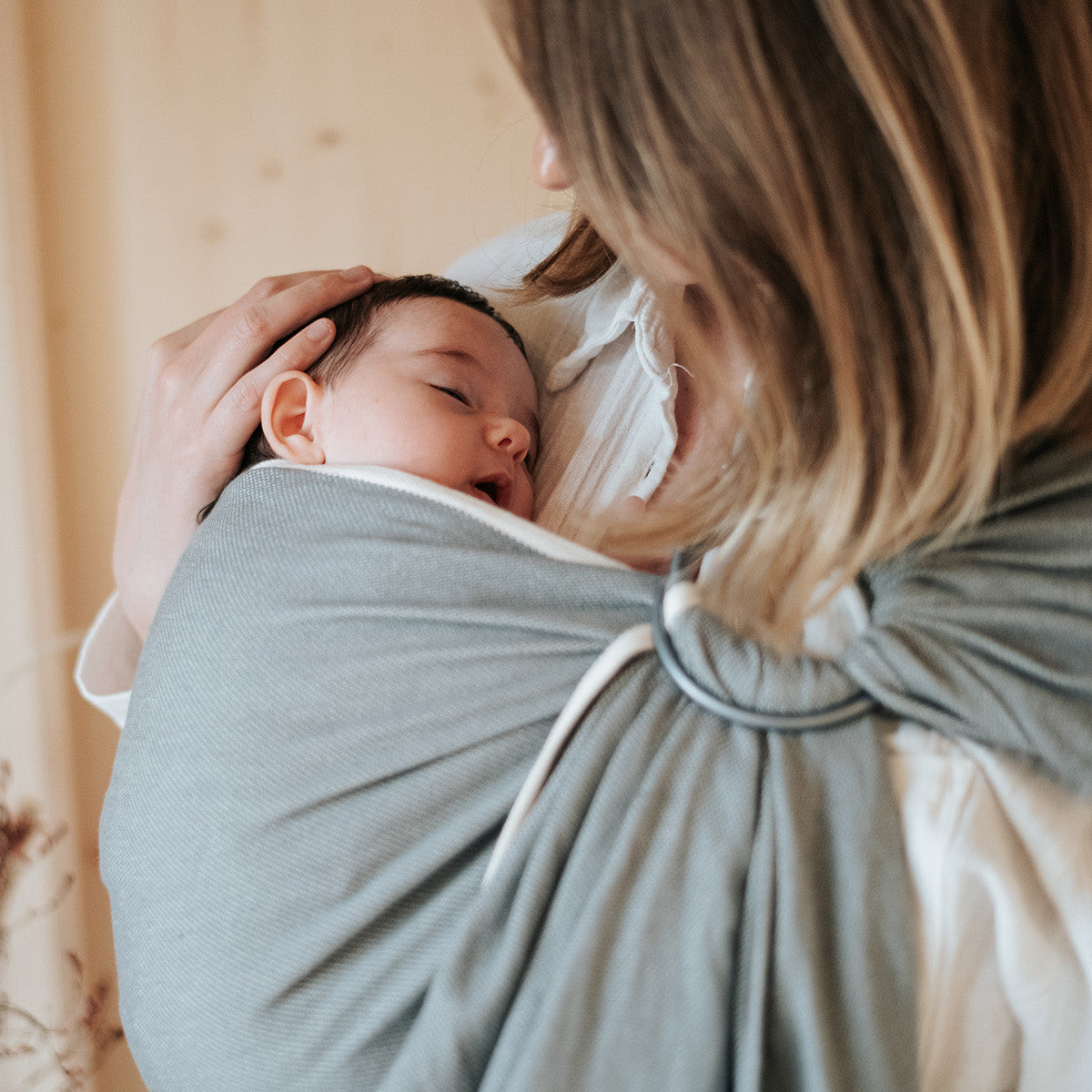
Skin-to-skin contact can be practiced sitting or standing. To do this, you will choose a carrying sling made of Oeko-Tex cotton (a fabric free from pollutants, heavy metals, and toxins). Similar to a physiological baby carrier, it adapts to all body types and allows you to keep the baby comfortably against you, safely. Neobulle offers several models of slings, including the without knot sling My Sling Jersey.
Why practice skin-to-skin contact?
Calming the baby
Practiced immediately after birth, skin-to-skin contact, as we mentioned, has the advantage of warming the baby. Indeed, against the parent’s chest, the baby regulates its temperature and, at the same time, stabilizes its heart rate. Through this practice, it also regulates its breathing. Skin-to-skin contact even helps increase its blood sugar levels!
Later, the kangaroo method is reputed to calm the baby’s cries. Studies have shown that babies practicing this method cry much less than those placed in their cribs.

Reassuring the baby
Childbirth is a test for the mother… but it is also for the baby. The transition from the mother's womb to open air is the first great adventure of their life! No more the comfort of a warm, cozy belly! When born, baby loses their bearings and needs to be reassured.
This is why the first skin-to-skin contact is important for baby. It reconnects them with the heartbeat of the person who carried them for months, it hears the familiar voice of mom or even, dad. And then the warmth of the parent's body helps to reassure them!
All these "little details" allow them to enter their new life more gently.
Reassuring parents
It's not only baby who is soothed by skin-to-skin contact! Parents who practice it also feel a sense of calm. In the practice of the kangaroo method, an increase in oxytocin, the "love" hormone, is observed. This hormone has the ability to soothe and release anxieties. And it is scientifically proven! Skin-to-skin reduces parental stress!
This close contact with baby may even promote the production of endorphins, hormones secreted by the brain that are known to create a sensation of euphoria.
Facilitating breastfeeding
The hormones produced during skin-to-skin offer a feeling of well-being that helps to strengthen the parent-child bond. Oxytocin, in particular, already produced by the mother throughout pregnancy, contributes to the production of breast milk. The milk let-down reflex is thus promoted after birth. Skin-to-skin also helps to maintain lactation afterward.
Practicing the kangaroo method from birth finally promotes the baby's instinct to find their mother's breast!
Developing the child's immune system
Skin-to-skin truly has more than one trick up its sleeve! It also has the recognized ability to develop the baby's immune system. And this is important because it will help limit the infection rate they may face.
*
Beyond the practice carried out immediately after birth, skin-to-skin retains all its benefits for months! That is why it is important to continue practicing it upon returning from the maternity ward and until the baby is 12 months old. A way to continue fostering calming exchanges between parent and baby! The first months with baby will be all the sweeter!